Westbourne Grove Bulky Rubbish Pickup Bayswater Shops: a practical local guide
If you run or manage a shop near Westbourne Grove, you already know how quickly bulky waste can get in the way. One delivery arrives, a display gets replaced, stock comes down from upstairs, and suddenly there is a broken fixture, a worn-out shelf unit, packaging, or an old counter waiting in the back room. Westbourne Grove bulky rubbish pickup Bayswater shops searches usually come from that exact moment: you need the mess gone, the pavement kept clear, and the business kept moving.
This guide explains how bulky rubbish pickup works for Bayswater shops, what counts as bulky waste, how to prepare for collection, and what to watch out for before you book. It also covers the practical side that people often forget - access, timing, compliance, and the difference between a tidy removal and a stressful one. Truth be told, the difference is huge.
Whether you are clearing one item or a full shop floor, the right approach saves time, protects staff, and keeps your frontage looking respectable. And on a street like Westbourne Grove, that matters more than most people think.
Table of Contents
- Why Westbourne Grove bulky rubbish pickup Bayswater shops Matters
- How Westbourne Grove bulky rubbish pickup Bayswater shops Works
- Key Benefits and Practical Advantages
- Who This Is For and When It Makes Sense
- Step-by-Step Guidance
- Expert Tips for Better Results
- Common Mistakes to Avoid
- Tools, Resources and Recommendations
- Law, Compliance, Standards, or Best Practice
- Options, Methods, or Comparison Table
- Case Study or Real-World Example
- Practical Checklist
- Conclusion
- Frequently Asked Questions
Why Westbourne Grove bulky rubbish pickup Bayswater shops Matters
Bulky rubbish is not just "waste with a bit of size on it". For shops, it often has a knock-on effect. A single damaged display cabinet can block stock access. A pile of old packaging can make a small storeroom unusable. A broken chair or metal frame left by the back entrance can look messy, attract complaints, and make the business feel less organised than it really is.
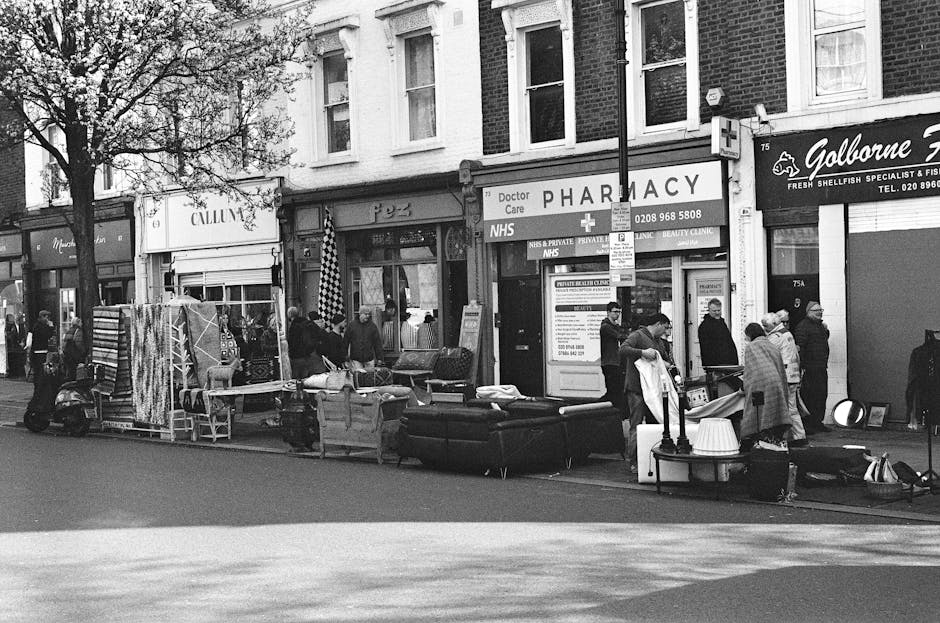
For Bayswater shops, the local setting adds pressure. Westbourne Grove has busy footfall, limited space at the kerb, and a constant need to keep the front of house looking sharp. If waste lingers too long, it can create trip hazards, obstruct loading, or simply send the wrong message to customers walking by. Let's face it, people notice the front entrance first.
There is also a commercial angle. When bulky rubbish is removed promptly, staff can work without stepping around clutter, stock rotation is easier, and the shop floor feels calmer. That can sound minor until you are trying to restock during a busy afternoon and someone has to move two chairs, a broken rail, and a half-dismantled unit just to get to the till.
In our experience, business owners do best when they treat bulky waste as part of operations rather than a last-minute fire drill. That small mindset shift usually pays off.
Expert summary: bulky rubbish pickup is most valuable when it is planned around access, trading hours, and how your shop actually uses space. The best service is rarely the one that just "turns up and takes things"; it is the one that removes disruption as well as waste.
How Westbourne Grove bulky rubbish pickup Bayswater shops Works
The process is straightforward in principle, although the details matter. Most collections begin with identifying what needs removing, checking access, and confirming whether the items are standard bulky waste or something more specialised. A wooden display stand is one thing. A fridge unit, paint tins, sharp offcuts, or electrical equipment is another.
A typical shop clearance or bulky pickup may involve:
- an initial description of the items
- an estimate of volume or number of loads
- photos for clarity if the items are awkward
- discussion of access, parking, and timing
- collection by a team who loads the waste safely
- sorting for reuse, recycling, or disposal where possible
For a small retailer, the collection might be as simple as removing old shelving after refit day. For a cafe, it could be broken seating, damaged tables, or worn furniture from the back area. For a boutique, the bulky waste may be a mix of packaging, mannequins, fixtures, and redundant displays. Different shops, different headaches.
The best collections are planned around business hours. Early morning, between deliveries, or just after closing is often easier than trying to move large items while customers are coming and going. If you have ever tried to shift a heavy counter while someone is asking for a receipt, you already know why timing matters.
Many reputable clearance services also separate reusable items from true waste where practical. That is useful not only for sustainability, but also for reducing the amount that ends up in disposal streams unnecessarily. It is one of those details that sounds small until you realise how much clutter can be diverted with a bit of care.
Key Benefits and Practical Advantages
A proper bulky rubbish pickup offers more than a clean-up. It creates breathing room. And in a shop environment, breathing room is productive space.
- Faster turnaround after refits or stock changes: old fixtures and packaging do not sit around for days.
- Better customer impression: a clear entrance and tidy back area make a business look more dependable.
- Safer working conditions: fewer trip hazards, less lifting stress, and less blocked access.
- More usable storage space: back rooms and cellar-style spaces can be reset properly.
- Less staff disruption: people can focus on trade instead of shuffling debris around.
- More flexible scheduling: collections can often be arranged around trading times.
There is a quieter benefit too. When waste leaves the building quickly, decision-making gets easier. You can see what remains, what still needs sorting, and whether an item is genuinely worth keeping. That clarity matters. Clutter tends to breed more clutter, annoyingly enough.
Another practical advantage is consistency. Shops that clear bulky waste regularly tend to keep a tighter grip on stockroom order, health and safety, and presentation. The difference is visible. A tidy back-of-house area usually means less stress for staff as well.
Who This Is For and When It Makes Sense
This kind of pickup is useful for a wide range of Bayswater businesses, not only big retailers. If a shop handles physical stock, furniture, fixtures, or customer-facing fittings, bulky waste is likely to appear at some point.
Typical users include
- independent fashion boutiques clearing old rails, shelving, or packaging
- cafes and restaurants replacing chairs, tables, or storage units
- beauty salons removing worn furniture or broken equipment
- grocery and convenience shops dealing with display changes or damaged fixtures
- offices above or behind shops clearing desks, cabinets, and unwanted equipment
- landlords or managing agents preparing a unit for new tenants
It makes sense when you are:
- refitting a shop
- closing a branch or moving location
- updating furniture or displays
- clearing after a delivery mistake
- emptying a storage room that has quietly become a graveyard of "we might need that later" items
- dealing with mixed waste after a busy season or stock refresh
For smaller stores, the trigger is often simple space pressure. For larger premises, the issue may be workflow, safety, or the need to clear items quickly before contractors arrive. Either way, bulky rubbish pickup is usually about control, not just tidiness.
Step-by-Step Guidance
If you want the process to run smoothly, a little preparation goes a long way. Here is the practical sequence that tends to work best.
1. Identify exactly what needs removing
Walk the shop and list the items. Separate what is definitely going, what might be reusable, and what needs special handling. A quick list saves a lot of back-and-forth later.
2. Check access before you book
Ask yourself the awkward questions. Can a vehicle stop nearby? Is there a rear entrance? Are there stairs, narrow corridors, low ceilings, or a lift? If access is tight, say so early. Nobody enjoys discovering that the "simple" job involves a long carry and three flights of stairs.
3. Take a few clear photos
Photos help everyone. They make quoting easier, reduce misunderstandings, and show whether items are stackable, bulky, awkward, or broken in a way that creates extra handling time.
4. Choose a sensible time slot
Pick a time that least disrupts trade. Early morning before opening, a quiet weekday, or after closing often works well. For busy Westbourne Grove units, timing can be the difference between calm removal and chaos.
5. Sort items into broad groups
Group furniture, wood, metal, cardboard, and electronics where possible. Even if the service collects mixed waste, sorting on your side speeds things up.
6. Protect the route out
Move fragile stock, tape down loose mats, and clear the path from storage to exit. One box of magazines on the floor can turn a tidy job into a clumsy one very quickly.
7. Confirm disposal expectations
Ask how the waste will be handled. Reuse, recycling, and responsible disposal are all worth clarifying, especially if your business wants to keep better sustainability records.
8. Do a final sweep
Before the team leaves, check for missed screws, fixings, packaging, or stray bits of material. It sounds obvious. Yet somehow the smallest items are always the last ones left behind.
Expert Tips for Better Results
There are a few small habits that make a surprisingly big difference.
- Be specific about dimensions. "Large cabinet" is less helpful than "two-metre glass-front display unit with fixed shelves".
- Send photos from multiple angles. One photo is fine, but a second angle often reveals access issues.
- Clear the exit before collection day. If items are buried behind stock, the job takes longer and feels more stressful.
- Bundle small loose items. Screws, fittings, and offcuts should be bagged where possible.
- Schedule around deliveries. That small overlap between waste removal and stock drop-offs causes far more headaches than people expect.
- Ask about mixed materials. Furniture with metal, glass, fabric, and wood often needs more careful handling than it first appears.
A tiny bit of planning can save a whole afternoon. And to be fair, it often feels good to see a space clear out properly. There is something almost satisfying about a back room turning from cramped and grimy into usable again. Not glamorous, but useful. Very useful.
If your shop is on a busy street, ask whether items should be moved inside first rather than left on the pavement. That avoids awkwardness and helps keep the frontage neat. Common sense, really, but common sense is not always common on a hectic weekday.
Common Mistakes to Avoid
Most bulky rubbish problems are avoidable. The usual mistakes are simple, which is why they keep happening.
- Leaving booking too late: last-minute calls can force poor timing or rushed handling.
- Underestimating the amount of waste: one "small clear-out" can turn into three separate loads.
- Not telling anyone about access limits: stairs, locked gates, and tight corridors matter.
- Mixing restricted items without warning: some items need extra care or separate handling.
- Forgetting to remove valuables first: paperwork, spare stock, tills, and personal items should be checked before collection.
- Assuming all waste is the same: it is not. Furniture, electricals, and general rubbish often need different handling.
Another common slip is treating the collection as the end of the job rather than part of a wider reset. If you are refitting or reorganising, make sure the space is ready for the next stage. Otherwise the same clutter creeps back in, just wearing a different coat.
Tools, Resources and Recommendations
You do not need specialist equipment for every pickup, but a few basic tools help.
- Gloves: useful for shifting small loose items and protecting hands from rough edges.
- Heavy-duty sacks or boxes: good for fixings, textiles, packaging, and smaller mixed waste.
- Tape or labels: helpful if you are separating keep, donate, recycle, and remove piles.
- Trolley or sack truck: handy if the job involves repeated trips from storage to exit.
- Phone camera: for photos, before-and-after records, and communication with the collection team.
For related guidance, it can help to look at broader waste and clearance services such as business waste removal when your shop produces regular volumes, or furniture clearance if the main problem is old seating, counters, or fixtures. If the load is mixed or more general, waste removal gives a useful sense of the wider service approach.
Where sustainability matters to your business, it is also worth understanding how items are sorted after collection. A page on recycling and sustainability can help set expectations around reuse and responsible disposal. That matters more now than ever, and customers do notice when businesses take it seriously.
Law, Compliance, Standards, or Best Practice
For shop owners, the main compliance issue is simple: waste should be handled responsibly and transferred to a legitimate collector. You do not need to turn into a legal expert, but you do need basic due diligence. If a service cannot explain how waste is handled, that is a red flag.
In the UK, businesses are generally expected to ensure their waste is managed properly and not left where it creates obstruction or risk. That means thinking about safe storage, collection timing, and the condition of the waste itself. If items are sharp, heavy, contaminated, or electrical, they should be treated carefully and not just bundled together without thought.
Good practice usually includes:
- keeping clear records of what was removed
- checking that the collection provider is appropriate for commercial waste
- separating recyclables where practical
- avoiding blocked exits, pavements, or fire routes
- protecting staff from unnecessary manual handling
Manual handling is worth mentioning. Shop staff are often asked to move more than they should. That is how small strains happen. If an item is heavy, awkward, or unstable, it is better to let trained people handle it. Common sense again, though you know how these things go when everyone is busy.
If your site includes offices or stock rooms, the same principles apply there too. Proper planning, clear access, and the right service choice make the whole operation smoother. For businesses with desk areas or back offices, office clearance can be a useful parallel service to look at.
Options, Methods, or Comparison Table
There is more than one way to deal with bulky rubbish near Westbourne Grove. The best option depends on time, volume, access, and how much disruption you can tolerate.
| Method | Best for | Strengths | Limitations |
|---|---|---|---|
| Scheduled bulky pickup | Moderate shop waste, mixed items, planned clear-outs | Convenient, organised, usually low disruption | May need booking lead time and clear access |
| Self-loading transport | Very small loads and businesses with vehicles | Flexible if you have time and staff | Manual effort, parking challenges, safety risks |
| Skip-style approach | Larger refits or ongoing renovation waste | Useful for heavier or continuous waste streams | Can be space-hungry and less suitable for tight streets |
| Mixed clearance service | Furniture, packaging, general bulky waste, and misc. items | Efficient for typical shop clear-outs | Needs clear item description to avoid confusion |
For many shops, a bulky pickup service is the cleanest option because it balances speed and convenience. A skip may be too bulky for a tight frontage, and self-loading can eat into trading time. If the waste is mostly fixtures and furniture, a focused clearance is usually the sweet spot.
Case Study or Real-World Example
Imagine a small Bayswater boutique doing a mid-season refresh. The owner has replaced two fitting rooms, removed three display tables, and found an old mirror unit hidden in storage "just in case" since last winter. Nothing dramatic. Just enough to crowd the back room and make restocking annoying.
They photograph the items, measure the largest pieces, and confirm access through a rear doorway. The collection is booked for a quiet morning before opening. On the day, staff move fragile stock away from the route, tape down a loose cable, and group the waste near the exit. The team arrives, loads everything efficiently, and checks for any remaining fixings. The whole thing is done before lunchtime.
The real value is not just that the rubbish disappears. The shop regains a usable stock area, the owner can reorganise display space properly, and the front-of-house team is not tripping over surplus furniture for the next three days. Small win? Maybe. But those small wins stack up.
That is usually how Westbourne Grove bulky rubbish pickup Bayswater shops works best in practice: clear planning, short disruption, and a clean reset.
Practical Checklist
Use this before collection day. It keeps things simple.
- Confirm which items are being removed
- Separate anything valuable, confidential, or reusable
- Check measurements of awkward furniture or equipment
- Take photos of the load and access route
- Confirm parking, entry, and collection timing
- Move stock away from the pickup path
- Bag loose fixings and small parts
- Protect floors, corners, and fragile surfaces where needed
- Make sure staff know what is happening
- Do a final sweep for leftover bits and pieces
Quick takeaway: if you can explain the waste clearly, prepare the route, and choose a sensible time slot, most bulky pickups become much easier. The job looks big. The process does not have to be.
Conclusion
Westbourne Grove bulky rubbish pickup Bayswater shops is really about making busy shop life easier. Whether you are clearing old furniture, replacing fixtures, or dealing with a mixed load of unwanted items, a well-planned collection protects your time, your space, and your presentation.
The best results come from simple habits: describe the waste properly, think about access early, choose the right timing, and work with a service that handles items carefully. Do that, and the whole process feels less like a headache and more like a reset. Which, honestly, is what most shops need from time to time.
If your Bayswater shop is overdue for a clear-out, start with a few photos, a rough item list, and a sensible plan for the day. Then take it one step at a time. The calm after the clutter is worth it.
Get a free quote today and see how much you can save.
Frequently Asked Questions
What counts as bulky rubbish for a shop on Westbourne Grove?
Bulky rubbish usually means items that are too large, awkward, or heavy for standard bins, such as display units, chairs, tables, shelving, counters, and some equipment. For shops, it often includes a mix of furniture, fixtures, packaging, and stock-room clutter.
Can I book a bulky rubbish pickup for a small one-off shop clear-out?
Yes. One-off collections are very common, especially after refits, repairs, or seasonal changes. Even a few awkward items can justify a pickup if they block access or create a safety issue.
How should I prepare my shop before the collection team arrives?
Clear a route to the items, move fragile stock, bag smaller loose waste, and make sure access points are unlocked. If possible, keep the items grouped together so the team can load quickly.
Do I need to separate furniture from general waste?
Not always, but it helps. Furniture, metal, cardboard, and electrical items are often easier to handle when sorted in broad groups. It can also improve reuse and recycling where appropriate.
What if my shop has narrow access or stairs?
Tell the provider before booking. Narrow access, stairs, and awkward entrances can affect the time needed and the handling method. A good service will want to know this early, not on arrival.
Is bulky rubbish pickup suitable for business waste as well as shop fittings?
Yes, if the service is set up for commercial work. Many shop clear-outs include business waste such as packaging, storage items, office furniture, and old equipment. The key is to describe the load accurately.
How far in advance should I arrange a pickup?
As early as you can, especially if you need a specific time around opening hours or deliveries. For simple jobs, booking can be quick. For larger clear-outs, a bit of notice makes everything easier.
Will the service take mixed items, or do I need to sort everything first?
Mixed loads are common, but it is still wise to separate obvious categories where you can. That makes the job smoother and helps avoid confusion about items that need special handling.
What should I ask before I book a clearance for my shop?
Ask about access, timing, the type of waste accepted, and how items will be handled after collection. It is also sensible to ask whether photos are useful and whether there are any restrictions on certain materials.
Can bulky rubbish pickup help after a shop refit or closure?
Absolutely. Refits and closures often create the biggest bulky waste loads because fittings, furniture, and storage items all come out at once. In those cases, a planned pickup saves a lot of stress.
How do I know if I need a simple pickup or a fuller clearance?
If you only have a few large items, a pickup may be enough. If the waste is spread across several rooms, includes furniture, stockroom clutter, and mixed materials, a fuller clearance is usually more efficient.
What is the safest way to move heavy items before collection?
Use proper lifting techniques, keep paths clear, and do not force awkward items if they are too heavy or unstable. If something feels risky, leave it for the collection team rather than injuring staff or damaging the shop.
One last thought: a clear shop often feels calmer to work in straight away. You notice it when you open the door the next morning - less noise, less clutter, more room to breathe. That matters, and it shows.